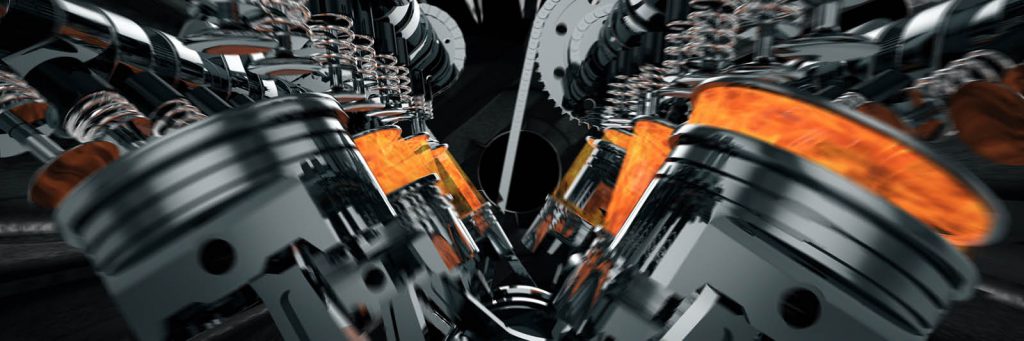

Q8 Formula Arctic 5W-40 is a superior high-performance full synthetic engine oil for passenger cars and light duty commercial vehicles.
Customer testimonial: Q8 Formula Arctic 5W-40 and a Toyota Land Cruiser 80
Q8 Formula Arctic 5W-40 is a superior high-performance full synthetic engine oil for passenger cars and light duty commercial vehicles.
In April 2021 the European Automobile Association ACEA has released updated and new specifications for engine oil for passenger cars and vans. This update brings a number of changes compared to the previous ACEA 2016 with discontinued categories, updates categories with new tests and completely new categories.
In this series of short animated videos we look into a number of basic Automotive lubricants concepts. Watch and learn, and contact us for more information!
Non-OEM approved engine lubricants have established a considerable market position in the automotive engine lubricant market. But do they deliver the same quality as officially OEM approved products?
Car manufacturers and OEMs have developed a range of different technologies to electrify the powertrain of vehicles. Discover the different engine technologies, the market penetration and the lubrication specificities of hybrid and electric vehicles.
The automatic transmission is the most complex component in an automobile and it is also one of the most expensive. Discover why the right transmission fluid is critical to the proper functioning and long-life of a step-type automatic transmission.
With a global presence and a significant share in the world passenger vehicle market, it is not surprising that the Volkswagen group is considered one of the most important OEMs when it comes to engine lubricant approvals.
The words Mercedes Benz are synonymous with quality. It is therefore no surprise that the MB approvals, managed by Daimler, require high performing, high quality engine lubricants.
In 2004, BMW introduced a new specification for engine oils called BMW Longlife-04. This was in response to hardware changes to its vehicles that the company had introduced to address ever tightening global emissions legislation and in particular to meet the Euro 4 emissions standard. However, since 2004 the specification has gradually changed, and today is considerably more demanding.
Many issues associated with incorrect or poor lubricant choice do not, thankfully, lead to catastrophic engine failure. Over time, inferior lubricants can result in a lack of efficiency, poor fuel economy or component failure. But there is one fairly recent phenomenon that could be taking place in your engine which can cause catastrophic engine failure when you are least expecting it. The phenomenon is associated with modern turbocharged gasoline direct injection engines and is termed low speed pre-ignition, or LSPI.