
Oxidation rating is one of the elements that influence oil drain interval. In this article we describe the different methods to test the oxidation rating of used gas engine oil samples.
Oxidation rating of used gas engine oils samples
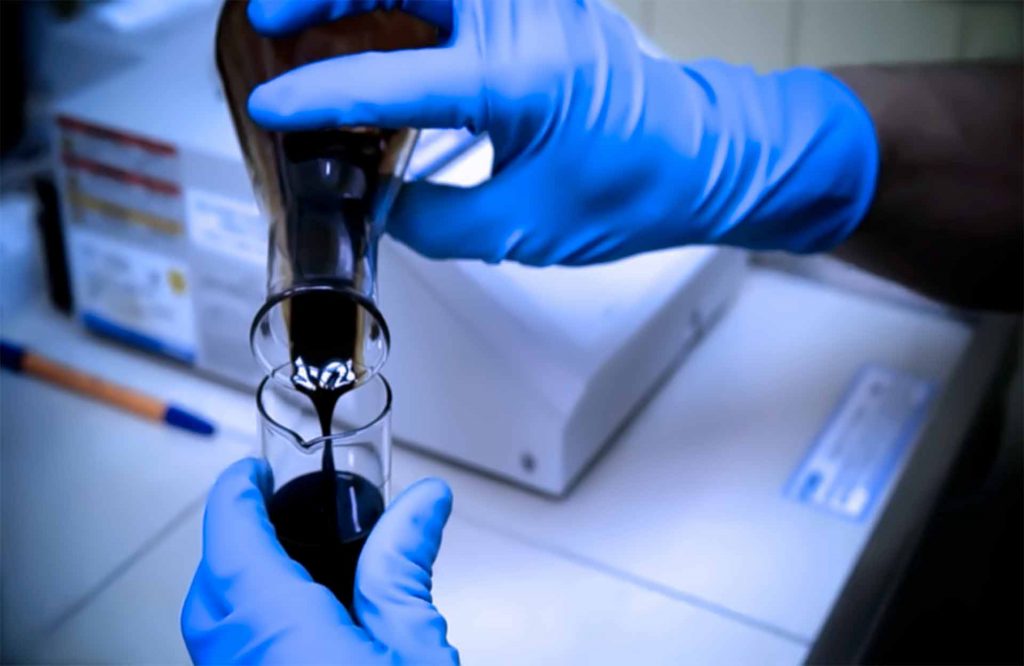

Oxidation rating is one of the elements that influence oil drain interval. In this article we describe the different methods to test the oxidation rating of used gas engine oil samples.

The main circulation lubricant in industrial applications comes into contact with anti-rust fluids and sealants used to prevent leakages. Q8Oils has tested and analysed how these products affect lubricant anti-wear properties.
In order to understand what could happen if the system is not properly flushed before start-up and if excessive amounts of sealant are used, Q8Research has investigated this issue.

When adding a new lubricant to your installation, it is important to know whether this product is compatible with the currently used product. Testing lubricant compatibility goes further than appearance tests. Even more important is to test and maintain lubricant performance.

At Q8Oils we develop high-performance stationary gas engine oils for many different engine brands. Our unique QRAS-analysis helps us to select the right lubricant for any application and to monitor all key performances of our lubricants. The historical data of these analysis confirm that Q8 Mahler performs extremely well in Liebherr gas engines.
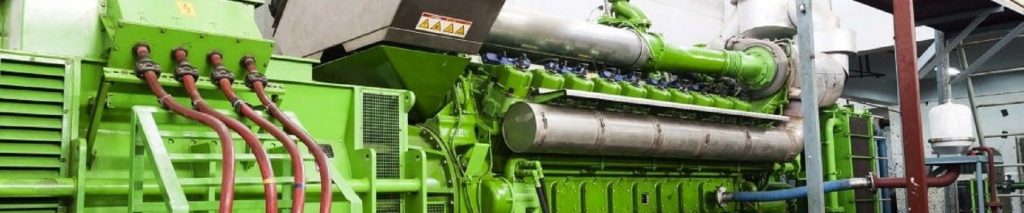
The Q8Oils laboratories are equipped with an extensive range of analytical tools to determine performance and characteristics of newly formulated oils. Among these are high pressure differential scanning calorimeters (HPDSC), kinematic viscosity analysers (KV), rotating pressure vessel oxidation test (RPVOT), total acid number (TAN) and total base number (TBN) analysers, Gas chromatography–mass spectrometry (GC-MS), and Infrared spectroscopy (IR).

So how does Q8Oils focus its research and development to achieve:
Cleaner engines
Longer oil drain periods
Lower total operational costs (TOC)

Primato grows tomatoes on a total surface of 125.000 m2. For the powering and heating of their greenhouses, they use a combined heat and power (CHP) installation, driven by INNIO Jenbacher 624 engines. The newly developed Q8 Mahler GR8 was successfully tested in this challenging application and resulted in longer drain intervals, higher efficiency and cleaner engine parts.

Caterpillar Energy Solutions approved Q8 Mahler GR8 as gas engine oil for the use in MWM TCG and Caterpillar CG gas engines with increased pollutant concentration.

TEDOM approved Q8 Mahler GR as gas engine oil for the use in natural gas- and biogas engines. The approval was the outcome of two field tests in Italy, showing excellent results on oil stability.

The formation of varnish is a common problem for turbine operators. Varnish is difficult to remove and is seen as a silent machine killer that gradually deteriorates the performance of installations. The choice of the right turbine oil is the most efficient way to fight varnish formation. To understand which turbine oils can prevent varnishing, you must understand the characteristics of varnish and how it is formed.