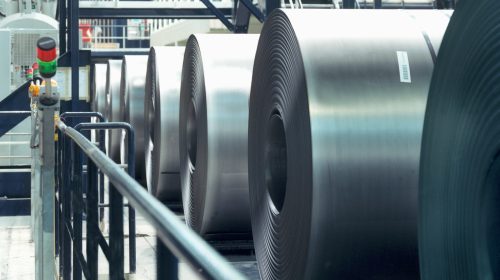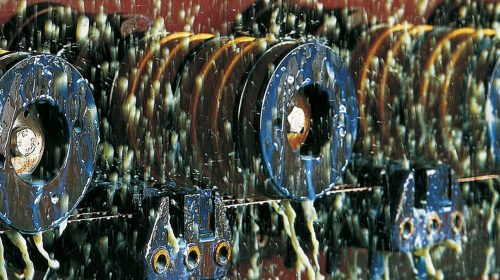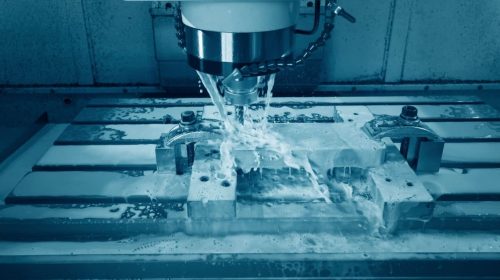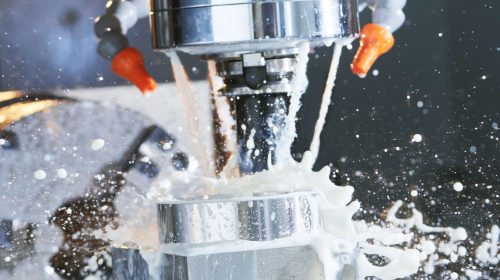

Cold rolling of metal strips require precise control to achieve thin gauges and high surface quality. Mid-sized and large cold rolling mills rely on well-designed rolling fluids to provide effective lubrication, cooling, and surface protection. Contamination from wear particles and other impurities can degrade fluid performance, increase roll wear and may cause surface defects. Proper filtration is therefore essential to maintain fluid cleanliness and ensure consistent lubrication and heat removal. In this article, the cold rolling process and formation of particles are discussed as well as filtration techniques to remove these particles from the cold rolling fluid.
Introduction
Cold rolling oils in metal strip processing have many purposes. They provide lubrication and cooling for the entire system, including the strip and work rolls, while also helping to remove particles and regulate friction during the process. As a result, these oils are carefully formulated in terms of composition and viscosity to achieve an optimal balance, often tailored to specific operating conditions. An often-overlooked challenge, however, is oil’s quality in service and preserving its properties over time.
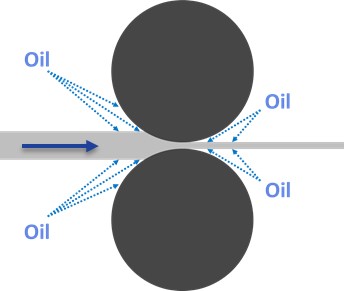
To maintain the quality of cold rolling oil, contamination from substances such as water, hydraulic oil, and other impurities should be minimized wherever possible. However, metal particles generated during the rolling process are unavoidable, making effective filtration essential for preserving the condition of the oil.
The Journey of Particles
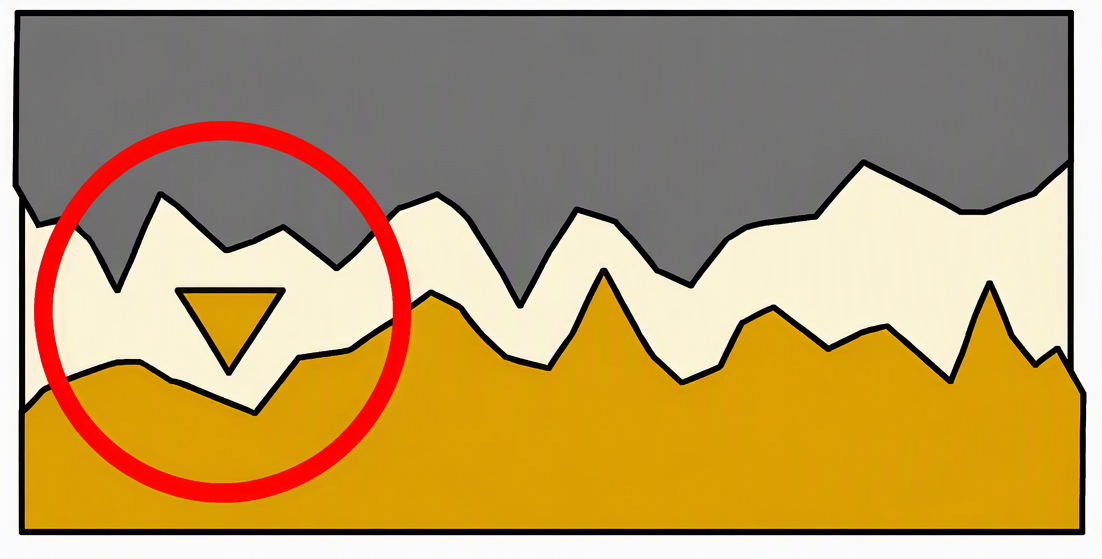
During the cold rolling process, particles are primarily generated as a result of mechanical interaction between the metal strip, and the work rolls under high pressure and deformation. As the strip is reduced in thickness, surface asperities on both the strip and the rolls come into contact, leading to micro-scale wear and the detachment of tiny metal fragments. Additional particles may form due to adhesion and subsequent tearing of material (known as adhesive wear), as well as from oxidation or breakdown of surface layers under severe process conditions. Over time, these mechanisms contribute to the accumulation of fine metallic debris in the rolling oil, which must be effectively managed to maintain process stability and product quality.
Particles generated during the cold rolling process are managed by dedicated filtration systems that continuously remove contaminants from the circulating cold rolling oil. As the oil flows through the system, it passes through filters designed to capture particles of varying sizes, ranging from coarse debris to fine metallic fragments.
Common filtration methods include mechanical filters, such as candle filters or plate filtration systems. By continuously removing particles, the filtration system helps maintain the cleanliness and performance of the cold rolling oil, while also protecting mill equipment and ensuring consistent surface quality.
Filtration
Filtration is a separation process in which solid particles are removed from the oil by passing it through a porous medium that retains the particles while allowing the fluid to flow through. The effectiveness of filtration depends on several mechanisms, including size exclusion (where particles larger than the pore openings are physically blocked), interception (where particles follow the flow stream but come into contact with and adhere to the filter), and diffusion (which is particularly relevant for very fine particles that move randomly and collide with the filter surface). As filtration progresses, a layer of captured particles—often referred to as a filter cake—can build up on the medium, which may further enhance filtration efficiency by trapping smaller particles. Understanding these mechanisms is essential for designing and optimising filtration systems.
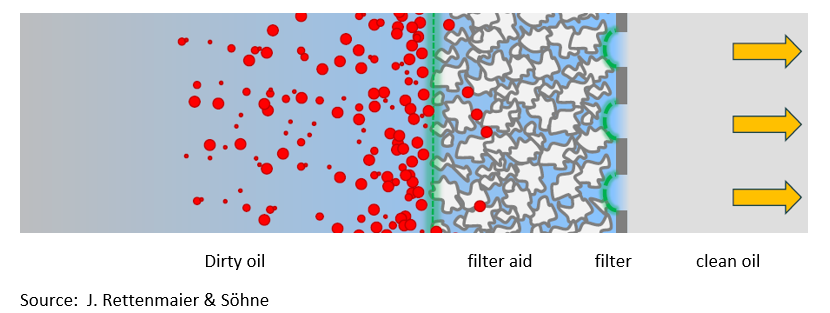
Filter aids are materials added to filtration systems as a first precoat layer (shown in the illustration above) to improve the removal of fine particles and enhance overall filtration efficiency. Non-active filter aids, such as diatomaceous earth and cellulose, function primarily as a porous medium that forms a permeable cake on the filter surface. This cake traps particles mechanically, preventing clogging of the filter medium and allowing for higher flow rates and longer filtration cycles.
In addition, active filter aids, for example bleaching earth and citric-activated cellulose, not only provide physical filtration but also interact with contaminants through adsorption or chemical affinity. These materials can bind very fine particles, degradation products, or polar impurities that would otherwise be difficult to remove by mechanical means alone. By selecting the appropriate type of filter aid, the filtration system can be optimised to maintain oil cleanliness and performance under demanding process conditions.
Sustainability
Nowadays, the term sustainability is used in many ways. Generally, sustainability is all about the preservation of resources. In the cold rolling process this can be about energy reduction, re-use of materials and, especially for cold rolling oils themselves, the preservation of their condition and prevent cold rolling oil from ending up as waste unnecessarily. Effective filtration is key in cold rolling oil maintenance.
Remarks
The series of Enhancing Cold Rolling Performance Through Optimised Filtration and Rolling Fluid Properties articles was realized in excellent co-operation with J. Rettenmaier & Söhne, an expert in cellulose technologies and supplier of both cellulose filter aids.
Q8Oils works closely together with customers and partners to improve their cold rolling process with customized oil compositions. An important part of improvements is the correct understanding of the cold rolling mills, the filtration systems, the mill operation parameters and other steps in the entire process. Optimisation and maintenance of the cold rolling oil for each cold rolling mill separately is important for the best performance and productivity.
Contact us today and discover how we can help you improve your cold rolling process with customised oil compositions.